October 29, 2026
Top Reasons to Visit a Cuban Bakery in Aurora CO This Week
By @mylestmzl689
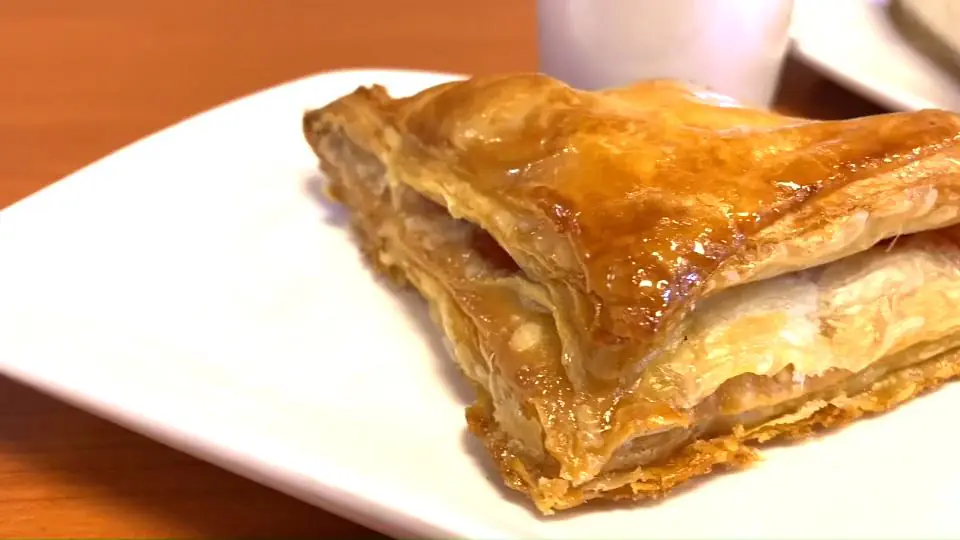
Some food trips can wait. A Cuban bakery visit usually should not.
Fresh bread has a short window when it is at its best. Pastries lose their crispness. Fillings settle. Coffee tastes different when it is paired with something that came out of the oven an hour ago instead of sitting in a case since yesterday. That is part of what makes a local bakery worth prioritizing, especially when you have one nearby that offers more than the standard muffin-and-scone routine.
If you have been thinking about stopping into a Cuban bakery Aurora CO locals talk about, this is a good week to do it. Not someday, not after your schedule opens up, not when guests come to town. This week. Cuban bakeries reward spontaneity because so much of the appeal is tied to freshness, timing, and the small pleasures that do not travel well through delay. The flaky crust on a pastelito, the soft center of fresh Cuban bread, the first sip of a café con leche with sugar already worked into the espresso, those details matter.
Aurora also happens to be the kind of city where independent food businesses can still feel personal. You are not just buying breakfast. You are stepping into a place where recipes often carry memory, migration, and habit. That changes the experience. It gives the meal weight beyond the plate.
The pastries are best when they are freshest
The most practical reason to go this week is also the strongest one. Cuban bakery staples are highly time-sensitive. A guava and cheese pastry that is excellent at 8:30 in the morning may be merely decent by midafternoon. Bread with a delicate crust can soften in its bag. Fried items lose their edge. Even cakes and custards, while less fragile than laminated pastries, still benefit from being purchased close to the time they were made and displayed.
People who do not visit bakeries often sometimes assume baked goods are interchangeable for a day or two. In reality, the gap between fresh and not quite fresh is wide. Cuban pastries tend to showcase texture in a way that makes timing especially important. You notice the crisp outer layers, the slight resistance before a flaky shell breaks, the contrast between sweet fruit filling and buttery dough. Those qualities do not vanish all at once. They fade gradually, which is almost worse, because you can tell what the pastry used to be a few hours earlier.
A good bakery visit is partly a scheduling decision. If you go earlier in the day, you are more likely to find the broadest selection and the sharpest textures. If you go later, you may find fewer options, but you can still score warm bread or a second batch of something popular. That uncertainty is not a drawback. It is part of what separates a real bakery from a shelf of packaged desserts.
Cuban baking offers flavors that break you out of routine
Most people do not need another oversized blueberry muffin. What they often need is a reset, something familiar enough to feel comforting but different enough to wake up their palate. Cuban bakeries do this well because they balance sweetness, richness, and restraint.
Guava is a perfect example. In the right pastry, it is bright and floral with a gentle tart edge, not candy-sweet and flat. Pair it with cream cheese or a lightly salted pastry dough, and the flavor becomes layered instead of sugary. Coconut desserts, custards, and caramel notes show up often too, but usually in ways that reflect balance rather than excess.
Savory items deserve equal attention. People sometimes walk into a Cuban bakery expecting only sweets and leave wishing they had ordered two or three savory options to take home. Ham croquettes, meat-filled pastries, sandwiches built on Cuban bread, these are practical foods, not novelty items. They work for breakfast, lunch, or a late afternoon stop when dinner still feels far away.
That range matters. A bakery that can serve both someone craving a sweet pastry and someone who wants a substantial savory bite is more useful in real life. It becomes part of a weekly rhythm instead of a once-a-month treat stop.
The coffee is not an afterthought
One of the easiest ways to tell whether a bakery understands its identity is to pay attention to the coffee service. In a solid Cuban bakery, coffee is part of the structure, not an accessory parked near the register. Espresso drinks, café con leche, and sweet strong coffee are woven into the experience.
Cuban-style coffee has personality. It is often sweeter and more concentrated than what people expect from a standard drip coffee run. That sweetness is not just there to make the coffee easier to drink. It changes how the drink interacts with pastry and bread. A flaky, fruit-filled pastry alongside a small, sweet coffee creates a compact breakfast that feels complete in a way many café pairings do not.
There is also a practical advantage. Cuban coffee service tends to suit both the person who wants a quick, standing-at-the-counter jolt and the person who wants to linger for fifteen minutes. It can be social without becoming elaborate. That is useful on a workday when you need something better than convenience store coffee but do not have time for a full sit-down meal.
If your week has been running on autopilot, that small upgrade can do more for your day than most people admit. Better coffee, paired correctly, changes pace. It gives shape to a morning.
You can bring home food that actually improves the next meal
One underrated reason to visit a Cuban bakery in Aurora CO this week is that the trip does not have to end with what you eat on-site. Some bakery foods are immediate pleasures. Others become building blocks for later.
Fresh Cuban bread is the obvious example. When it is good, it has a light interior and a crust that works beautifully for pressed sandwiches, breakfast toast, or simply tearing and eating with butter. If you buy it early enough, you can use part of it for lunch and the rest for dinner. Few grocery store loaves can handle that role with the same character.
Savory pastries can also rescue a busy schedule. If you know you are facing a packed afternoon, having a couple of pastries or croquettes in the kitchen turns into a practical advantage. Reheated carefully, some items hold up well enough to spare you the usual desperate lunch of crackers or a protein bar.
The key is choosing wisely. Not everything stores equally well, and that is where experience helps. Cream-filled pastries are usually best the same day. Crisp laminated pastries are worth eating soon after purchase. Bread, savory pies, and some denser cakes give you more room. A good bakery visit is not just indulgent. It can be strategic.
The atmosphere tells you something chains never can
Independent bakeries communicate through details before anyone says a word. The arrangement of trays. The pace behind the counter. The fact that one pastry is sold out by noon because regulars know to ask for it early. These signs matter because they tell you the place has a real constituency.
Chain cafés tend to smooth away those signals. Every location looks and feels close to identical. That consistency has benefits, but it rarely creates attachment. A neighborhood bakery does the opposite. It allows for quirks, specialties, and rhythms that belong to that exact location.
Aurora is large and varied, which makes local food spots especially valuable. They anchor a neighborhood. They turn a commercial strip into a place people actively choose rather than merely pass through. When you support a Cuban bakery, you are participating in that local ecosystem, not in the abstract, but in a visible and immediate way.
You feel that most clearly when the bakery is busy for ordinary reasons. Parents picking up a box before school drop-off. Workers stopping in for coffee. Someone buying bread for dinner. A family ordering pastries for a weekend gathering. That mix is a good sign. It means the bakery is useful to the community, not just performing authenticity for visitors.
It is one of the easiest ways to experience culture through food
There is a difference between themed food and lived food. Themed food is designed to signal a cuisine quickly and loudly. Lived food often feels quieter. It shows up in everyday breads, snacks, desserts, and coffee habits, the kinds of https://brooksbcxl924.unionquill.com/posts/how-to-choose-the-best-treats-at-a-cuban-bakery-in-aurora-co things people actually return to week after week.
Cuban bakeries often represent the second category. They offer food that is tied to routine, celebration, and memory. Even if you are new to Cuban baking, you can sense that continuity. Recipes like pastelitos, croquettes, and Cuban bread persist because they serve real purposes in daily life. They are not museum pieces. They are active traditions.
That makes a bakery visit more meaningful than simply trying something new for novelty’s sake. You are tasting a food culture in one of its most approachable forms. You do not need a special occasion or deep background knowledge. You can walk in, ask a question, order one sweet item and one savory item, and start learning through the palate.
If you have children, this can be an easy form of food education too. Bakeries are less formal than restaurants and more vivid than reading about a cuisine online. Kids can see rows of pastries, point, ask questions, and connect food with language, place, and tradition in a way that feels natural.
The best orders are often simple
People sometimes overcomplicate bakery visits because they want to maximize the trip. In practice, the smartest move is usually to start with a small, balanced order and pay attention to what stands out. That approach lets the bakery speak for itself.
A first visit can go well with a combination like this:
- One sweet pastry, often guava or guava and cheese.
- One savory item such as a croquette or meat pastry.
- A coffee, ideally café con leche or espresso.
- A loaf of Cuban bread if it is available fresh.
- One extra pastry to share or save for later.
That kind of order gives you contrast without excess. You can assess the dough, the fillings, the seasoning, the bread quality, and the coffee in a single stop. It also gives you enough information to know whether you want to come back for breakfast, lunch, or a larger family pickup.
The trade-off is obvious. If you arrive hungry and everything looks good, restraint is difficult. But bakery enthusiasm can lead to overbuying, and not every item will hold overnight at its peak. Starting with a focused order often leads to a better experience than walking out with a large box chosen too quickly.
This week is enough time to turn a casual stop into a useful habit
A bakery visit becomes more valuable when it moves from random craving to reliable habit. Once you know what a place does well, it can solve several ordinary problems at once. Need an easy breakfast before work. Need something to bring to an office meeting that is more thoughtful than supermarket donuts. Need bread for dinner, pastries for guests, or a coffee stop with actual character. A good bakery covers all of that.
That is why timing matters. Going this week gives you a chance to figure out whether the bakery fits your routine while the idea is fresh. If you wait a month, it remains an abstract plan. If you go now, it becomes real information. You learn parking, peak hours, what sells out early, and whether you prefer the sweet or savory side of the menu.
Those details are the difference between appreciating a bakery in theory and using it well in practice. Regulars know, for instance, that some places are best before 9 a.m., while others are worth visiting later because a second baking run hits late morning. They know which items travel well to work and which should be eaten in the car before you even get home. That kind of local knowledge only comes from showing up.
Sharing bakery food is an easy social win
Not every food purchase needs to be purely personal. Cuban bakery items are particularly good for sharing because they tend to be portable, recognizable, and crowd-pleasing even for people who are unfamiliar with the cuisine.
Bringing a mixed box of pastries to an office break room usually gets more engagement than bringing one large cake. Individual pieces invite curiosity. Someone tries a guava pastry because it looks interesting. Someone else reaches for a croquette because they skipped breakfast. You do not need a formal occasion to create a small moment around food.
The same holds for family visits, weekend errands, and neighborhood gatherings. A bakery box feels generous without being extravagant. It shows better judgment than grabbing whatever is closest, but it is still practical enough for an ordinary day.
If you are hosting, one useful approach is to mix textures and sweetness levels rather than loading up on one category. A box that includes fruit pastries, savory items, and bread gives people options and keeps the spread from feeling heavy. Most guests appreciate variety more than volume.
Aurora is a place where local discovery still pays off
Some metro areas have become so saturated with polished food marketing that every visit feels prepackaged before it starts. Aurora still rewards actual exploration. Its food scene is broad, rooted in many immigrant communities, and often stronger than outsiders expect. That makes it a particularly good place to seek out bakeries and specialty shops rather than defaulting to national brands.
A Cuban bakery Aurora CO residents support is not just another stop on a trend list. It is part of a larger local pattern, one where great food may sit in a modest storefront and rely more on repeat customers than on hype. These are often the places that overdeliver.
There is also a practical advantage to exploring local bakeries in Aurora instead of driving farther for a supposedly better-known destination. Convenience shapes habit. If a quality bakery is accessible enough to fit your week, you are more likely to return, and repeat visits are how you learn a menu properly. One trip tells you whether the pastries are good. Three or four trips tell you what time to arrive, what to order for guests, and what is worth planning around.
A few ways to get more out of the visit
Small choices can improve the experience and help you avoid common disappointments.
- Go earlier if fresh pastry texture matters most to you.
- Ask what came out recently instead of guessing from the case.
- Buy bread only if you have a plan to eat it the same day or freeze part of it.
- Mix sweet and savory items so you do not tire your palate.
- If something is sold out, take it as a good sign and ask when it returns.
These are simple habits, but they matter. Bakeries are dynamic places. Inventory changes fast, and the best item of the day may not be the one with the prettiest appearance. Staff recommendations are often worth more than visual impressions because they reflect freshness and turnover, not just display.
The real payoff is how a bakery visit changes an ordinary week
People often talk about food in terms of big events, date nights, birthdays, holiday meals. Bakeries matter for a different reason. They improve the ordinary parts of life. They turn a rushed morning into something pleasant. They give structure to a Saturday. They make it easy to show up somewhere with something thoughtful in hand. They remind you that convenience and quality do not always have to be enemies.
That is the strongest argument for making time this week. The value is immediate and concrete. You get a better breakfast, better coffee, maybe a loaf of bread that changes dinner, and maybe a new local place that becomes part of your routine. You also get the less tangible benefits, the ones that end up mattering just as much: connection to local business, exposure to a food tradition with depth, and the simple pleasure of eating something made with skill rather than just packaged for speed.
If there is a Cuban bakery in Aurora CO you have passed without entering, stop passing it. Go when you can still smell the baking. Order one thing you recognize and one thing you do not. Drink the coffee while it is hot. Eat at least one pastry before you get home. That is usually how the habit starts, and in this case, that is a habit worth having.
Cuba Bakery & Café
15028 E Mississippi Ave, Aurora, CO 80012
+1 303-752-2822
FAQ About Cuban bakery Aurora CO
What are Cuban pastries called?
Many small Cuban pastries are called pastelitos. They can have sweet or savory fillings, such as guava, cheese, guava and cheese, or seasoned meat. Cuba Bakery & Café lists guava, cheese, guava-and-cheese and beef pastries on its menu. Ask the bakery about current availability and ingredients when ordering.
What are traditional Cuban pastries?
Common Cuban bakery choices include flaky pastelitos filled with guava, cheese or meat. Cuban bakeries may also offer empanadas, breads and desserts alongside coffee. Cuba Bakery & Café lists pastelitos, several empanada fillings, pan Cubano and desserts such as tres leches and bread pudding. Selection can vary, so confirm the day's choices with the bakery.
What makes Cuban bread different?
Cuban bread is known for its light interior and a thin crust that becomes crisp when toasted or pressed. Traditional recipes often use lard, although ingredients vary by baker. It is commonly served as buttered toast or used for Cuban sandwiches. Cuba Bakery & Café lists pan Cubano and tostada on its menu; ask staff about the ingredients in their bread if you have dietary restrictions.
❧