September 24, 2026
The Best Jamaican Food in Denver for Authentic Taste
By @mylestmzl689
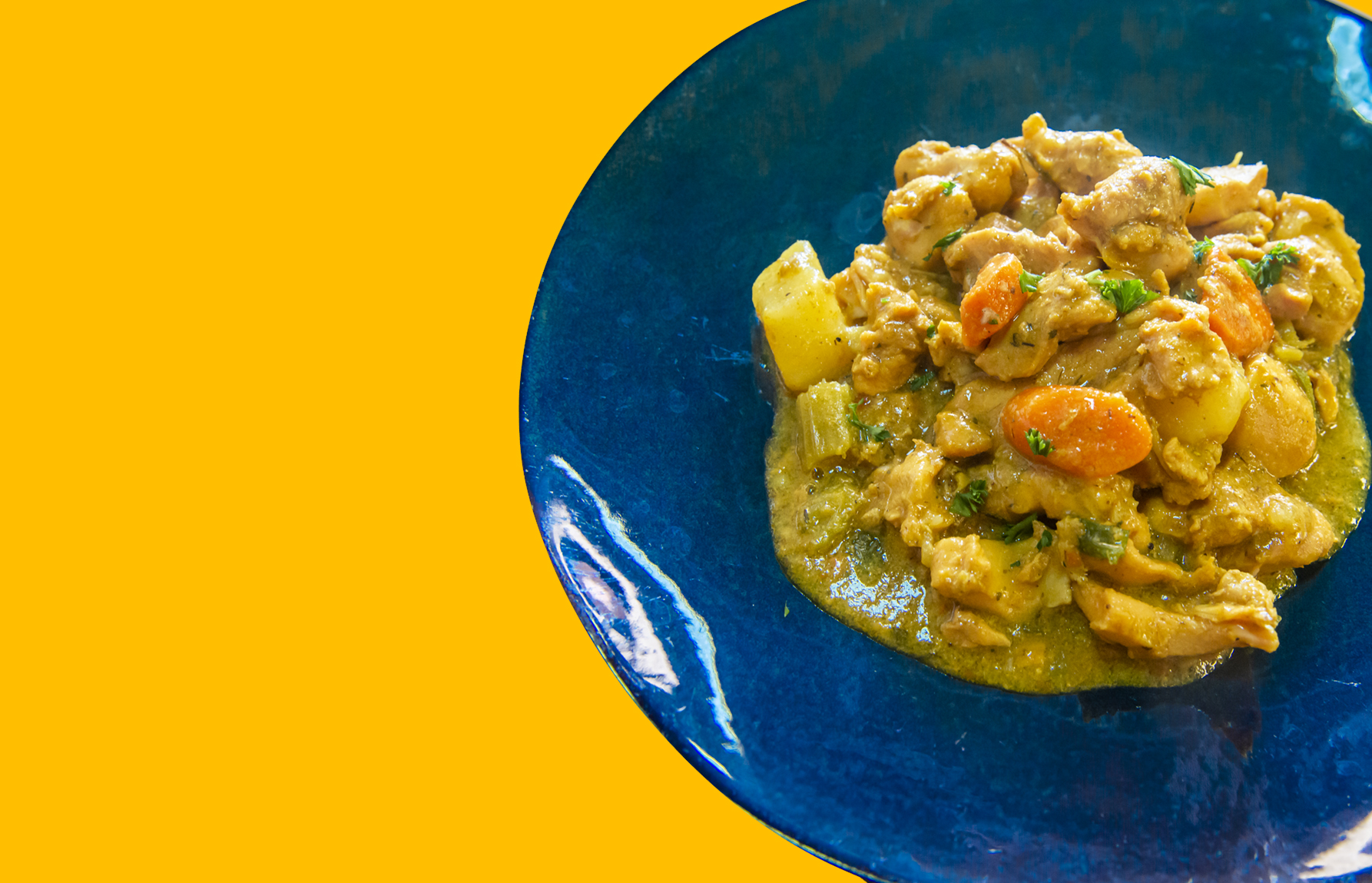
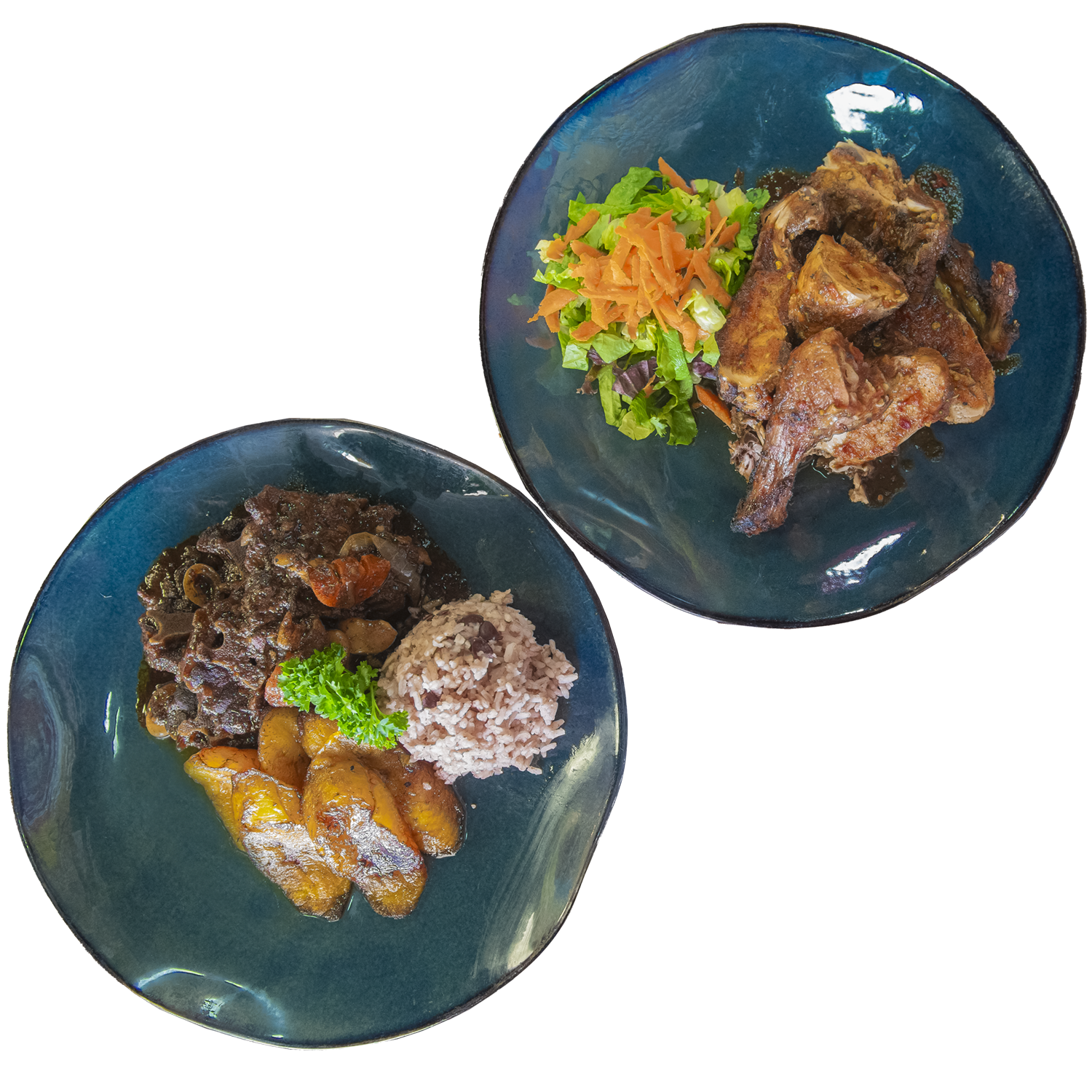
Finding truly satisfying Jamaican food in Denver takes a little intention. The city has no shortage of global dining, and its Caribbean options have improved over the years, but Jamaican cooking is one of those cuisines that exposes shortcuts fast. If the jerk tastes like generic barbecue rub, if the rice and peas arrive dry and timid, or if the oxtail gravy lacks body, you know within a few bites that the kitchen missed the point.
When Denver gets it right, though, the food has a very specific kind of generosity. The seasoning is deep rather than loud. Heat builds instead of blasting. Meat yields but does not collapse into mush. A good plate feels homey and assertive at once, the sort of meal that tastes as if it was cooked by someone who understands patience, smoke, allspice, thyme, Scotch bonnet, and the value of a proper braise.
Anyone searching for jamaican food denver style is usually after more than a quick lunch suggestion. They want food that tastes grounded in the island’s traditions, even in a city better known for green chile, steakhouses, and breweries. That search is worth making, because authentic Jamaican cooking offers one of the most layered, comforting, and memorable dining experiences available in Denver when you know what to look for.
What “authentic” really means on a Denver plate
Authenticity is a slippery word in restaurant writing, and it often gets used too casually. In the context of Jamaican food, authenticity is less about rigid purity and more about whether the kitchen understands the structure of the cuisine. That means seasoning from the inside out, using marinades and braises that penetrate rather than sit on top. It means respecting texture. Jerk chicken should have char and spice, not just sweetness. Curry goat should taste earthy and rounded, with enough time in the pot for connective tissue to soften. Plantains should be sweet and caramelized, not pale slices rushed through the fryer.
Denver presents challenges that coastal cities with larger Caribbean communities do not. Ingredient access has improved, but a restaurant still has to work harder to source the right peppers, spices, and cuts consistently. The altitude changes cooking times and can affect texture if a kitchen is careless. A great Jamaican cook adapts without flattening the cuisine. That is what separates the best Jamaican food in Denver from places that simply borrow a few names from the menu.
Another point that often gets missed: Jamaican food is not only jerk. Jerk may be the most recognized preparation, but it is just one expression of a broader culinary language. The full experience includes escovitch, patties, rice and peas, festivals, callaloo, curry dishes, browned stews, soups, and slow-cooked meats whose flavor comes from time as much as spice. If a restaurant treats the cuisine as a novelty rather than a tradition, the menu usually gives it away.
The dishes that tell you everything
If you want to know whether a Jamaican kitchen is serious, pay attention to the staples. Signature dishes reveal discipline better than flashy specials ever will.
Jerk chicken is often the first test. In a strong version, the spice mix tastes layered. You should catch allspice, thyme, ginger, garlic, scallion, and the fruity heat of Scotch bonnet or a similar pepper. The exterior should show real char, but not the bitter, blackened crust that comes from trying to imitate smoke with a hot grill. Inside, the meat should remain juicy. Too many places in Denver nail the seasoning and lose the texture, or keep the chicken moist but produce something that tastes closer to grilled barbecue than jerk.
Oxtail is another reliable marker. Good oxtail has a glossy, rich gravy with enough collagen to coat the rice. The meat should cling to the bone until your fork nudges it free. If the sauce tastes thin, or if the oxtail is strangely lean and dry, the kitchen probably rushed it or cut corners. In Jamaican cooking, oxtail is not a light dish, and it should not pretend to be one.
Curry goat is where judgment matters. The best versions are deeply savory and aromatic, with spice that blooms instead of punching straight through. Goat needs time, and you can taste when it has been given enough. The flavor should be unmistakably itself, slightly gamy, well-seasoned, and tender without being stringy. Denver diners who are new to the dish sometimes expect the soft sweetness of American pot roast. That is not the target. Curry goat should have more edge, more perfume, and more complexity.
Then there is rice and peas, which too many casual diners treat as filler. In Jamaican cooking, it is part of the meal’s architecture. The grains should be distinct yet tender, carrying the flavor of coconut milk, herbs, and beans. If the rice tastes plain, the whole plate feels unfinished. The same goes for cabbage, a common side that can either be perfumed and lightly cooked or reduced to forgettable cafeteria vegetables.
Patties deserve their own respect. A proper beef patty has a flaky shell, often tinted yellow from turmeric or curry, and a filling with enough savor and moisture to justify the crumbs you will inevitably lose on your shirt or car seat. A dry patty is a wasted opportunity. A good one is both snack and comfort food, and in a city like Denver, it can be one of the easiest ways to judge a Jamaican kitchen before committing to a full meal.
Why Denver’s Jamaican scene rewards patience
Denver is not a city where the Jamaican food scene overwhelms you by sheer volume. That is actually useful. In bigger markets, abundance can make selection feel random. In Denver, quality stands out quickly because the field is narrower. Diners who care about authenticity tend to become repeat customers fast, and the strongest kitchens build loyal followings through consistency, generous portions, and hospitality as much as through flavor.
The best Jamaican food in Denver often turns up in places that do not chase trends. Sometimes it is a compact restaurant in a strip center where the décor is secondary to the steam table and the smell of spice in the air. Sometimes it is a family-run operation that has quietly built a weekend crowd. Sometimes it is a caterer or pop-up that sells out because people know the food comes from actual practice rather than recipe mimicry.
That low-key quality is part of the appeal. Jamaican cooking does not need overdesigned plating or a backstory printed in five fonts on the menu. It needs a cook with command over seasoning and timing. In my experience, the places most worth returning to are rarely trying to reinterpret the cuisine for a broad audience. They may make small adjustments for local diners, but the soul of the food stays intact.
Denver diners sometimes assume authentic Caribbean food must be heavy in the bluntest possible way. The better Jamaican kitchens prove otherwise. Yes, these are substantial meals. Yes, there is richness. But the balance matters. Vinegar in escovitch, fresh herbs in rice, the sweet edge of fried plantain, the gentle bitterness of greens, the brightness of pepper sauce, all of that keeps the meal from feeling one-note. When a Denver restaurant understands that balance, you can taste the difference immediately.
What to order if it is your first visit
If you are trying a Jamaican restaurant in Denver for the first time and want the clearest read on the kitchen, start with a meal that shows both technique and seasoning.
- Jerk chicken, because it reveals the restaurant’s approach to marinade, heat, and char.
- Oxtail, if available, because rich gravies expose whether the kitchen knows how to braise properly.
- Curry goat, especially if you want to test depth of flavor rather than just spice level.
- A beef patty, because good pastry and a juicy filling are harder to fake than they look.
- Rice and peas with cabbage or plantains, because sides often tell the truth about care and consistency.
That combination gives you a broad picture. It also helps if you are ordering for a group. One of the pleasures of Jamaican food is how well it shares. A table with a few mains and sides lets everyone compare textures and sauces, and it quickly becomes obvious which dish the kitchen does best.
Heat, smoke, sweetness, and the little details that matter
The most common misunderstanding around Jamaican food in Denver is that “authentic” automatically means punishingly spicy. Heat is part of the tradition, but not in the simplistic challenge-food sense. Scotch bonnet peppers carry real fire, yet they also add aroma and fruitiness. In a proper jerk marinade or pepper sauce, that character matters as much as the burn. If a dish is hot but dull, the cook probably leaned on chili without building the rest.
Smoke is another detail worth paying attention to. Real jerk carries an unmistakable smokiness, ideally from cooking over pimento wood or a reasonable adaptation of that technique. Denver restaurants may not always have the exact setup found in Jamaica, but the best ones create an honest approximation through controlled grilling and patient cooking. Fake smoke flavor is easy to spot. It lands as harsh, flat, and oddly sweet. Natural char tastes integrated.
Sweetness can also go wrong. Plantains should be sweet, but not candied beyond recognition. Jerk sauce can have a touch of sugar or a little sticky glaze, but it should never tip into barbecue dessert territory. Even festivals, those lightly sweet fried dumplings that work beautifully with spicy or savory dishes, need balance. Too sweet and they become a novelty. Done well, they calm the palate and make the meal more complete.
Then there is texture, the factor people talk about least and remember most. Oxtail should be silky. Goat should hold together without resisting the fork. Cabbage should still have life. Plantains should be tender inside with browned edges. Patties should shatter lightly, not slump. When those textures line up, the meal feels intentional rather than assembled.
The difference between Jamaican food and generic “Caribbean” menus
Denver has restaurants that use “Caribbean” as a broad umbrella, and some of them serve very good food. Still, anyone focused on Jamaican flavor should understand that not every island-style menu will satisfy the same craving. The Caribbean is not a monolith. Jamaican cooking tends to lean hard into jerk seasoning, allspice, thyme, Scotch bonnet, curry preparations, slow braises, salted fish, and specific side dishes like rice and peas and festivals. Other Caribbean traditions may share ingredients but express them differently.
This matters because a menu can sound familiar without tasting authentically Jamaican. A place might offer jerk wings, curry chicken, and plantains, yet prepare them in a way that feels generalized for a broad audience. That does not necessarily make the food bad. It just may not answer the craving that sent you looking for Jamaican food in Denver in the first place.
A diner with a trained palate notices these distinctions quickly. The stew has a different backbone. The seasoning sits differently on the tongue. The sides support the main dish in a more specific way. If your goal is authenticity, broad Caribbean branding should prompt curiosity rather than assumption.
Service, timing, and the rhythm of a good Jamaican kitchen
There is a practical side to seeking out great Jamaican food in Denver. These kitchens often run on a rhythm that differs from fast-casual expectations. Slow-cooked dishes take time. Popular items sell out. Portions are usually substantial, which is a blessing if you arrive hungry and a warning if you over-order. Weekend service can be busiest, especially after church hours or in the evening when people want a serious meal rather than a snack.
It helps to order with a little patience and a little strategy. Some dishes are at their best when they have sat in the pan long enough for flavors to settle. A weekday lunch may offer speed and convenience, but a Friday or Saturday service often gives you the fullest menu and the liveliest sense of what the restaurant does best. If a place runs out of a signature braise late in the day, that can actually be a good sign. It may mean the kitchen cooked what it expected to sell rather than holding trays indefinitely.
Portioning is another clue. Good Jamaican restaurants are usually not stingy. That does not mean every plate should look excessive, but there is often an unmistakable generosity in the scoop of rice, the spooning of gravy, the extra plantain, or the way a cook asks whether you want more sauce. Hospitality shows up in small gestures.
What locals should pay attention to when they are judging value
Denver is not a cheap dining city, and Jamaican food is no exception. Oxtail in particular has become expensive almost everywhere, partly because demand has risen far beyond the days when it was treated as a butcher’s bargain cut. So value should not be judged only by raw plate size. It should be judged by effort, ingredient quality, and how satisfying the meal remains after the first few bites.
A strong Jamaican plate has a way of eating well across time. Dinner becomes next-day lunch, and the flavors often deepen overnight. Rice absorbs gravy. Curry settles into itself. Jerk remains fragrant. That matters when you are deciding whether a higher menu price is justified. A mediocre plate is costly at any price. A well-made oxtail dinner that feeds you twice can be easier to justify.
Locals should also consider whether a restaurant keeps standards consistent across dishes. Some places have one excellent item and a handful of weak sides. Others maintain a clear baseline of care throughout the menu. The second type usually deserves more loyalty, even if one specific dish gets less social media attention. Authentic taste is rarely about a single knockout item. It is about a kitchen with habits you can trust.
Signs you have found a place worth revisiting
You usually know by the second visit whether a Jamaican restaurant deserves a regular place in your Denver rotation. The signs are not flashy.
The room smells like cooking rather than air freshener. The menu is focused enough that the kitchen can execute it. Someone behind the counter can explain the dishes without sounding scripted. The gravy tastes as though it came from a pot, not a pouch. The spice level feels intentional. The sides matter. Repeat customers know what they came for. You find yourself thinking about the food again the next day, not just remembering that you were full.
A memorable Jamaican meal leaves a very specific aftertaste, aromatic spice, smoke, warmth, and a savory depth that lingers. It does not rely on excess salt or sugar to make an impression. In Denver, where diners have plenty of options for comfort food, that kind of depth is what makes Jamaican cooking stand apart.
Denver’s Jamaican food is best appreciated on its own terms
Part of enjoying this cuisine in Denver is dropping a few assumptions. Do not expect every restaurant to look polished in the conventional sense. Do not assume the hottest dish is the most authentic one. Do not treat the sides as filler. Do not confuse oversized portions with excellence. And do not judge a place too quickly if the service feels a little unhurried during a rush. Some of the most rewarding meals come from kitchens that put the food first.
If you are serious about finding the best Jamaican food in Denver for authentic taste, approach the city the way you would approach any smaller but worthwhile food scene. Look for consistency. Ask what sells out first. Return for a second visit before making a final judgment. Compare the jerk to the braises. Notice whether the rice and peas carry their own flavor. Pay attention to whether the kitchen is cooking from habit and memory rather than from trend.
That is usually where the best versions live, https://caidenbssa706.nexorafield.com/posts/jamaican-food-in-denver-standout-spots-for-jerk-curry-and-more in restaurants and kitchens that understand Jamaican food as a complete tradition rather than a single famous flavor. When Denver delivers that kind of plate, you do not need marketing language to tell you it is authentic. The aroma does the work first. The gravy confirms it. Then the meal settles in, generous, spicy, patient, and unmistakably itself.
Reggae Pot Jamaican Grill
Address: 2243 S Monaco St Pkwy #104, Denver, CO 80222
Phone number: +17204102956
FAQ About Jamaican Food Denver
What is typical Jamaican food?
Typical Jamaican food features bold, vibrant flavors created by blending African, Taino, European, and Asian influences.
What is a famous Jamaican dish?
Ackee and saltfish is Jamaica's national dish, made by sautéing the soft local ackee fruit with salted cod, onions, tomatoes, and spicy Scotch bonnet peppers.
What food is most popular in Jamaica?
The most popular and famous food in Jamaica is Jerk Chicken, celebrated worldwide for its smoky, spicy flavor.
❧