November 24, 2026
How Pie Cafe Colorado Springs Became a Beloved Local Spot
By @mylestmzl689
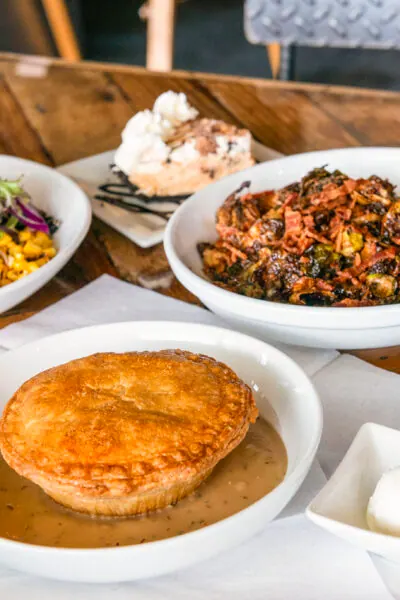
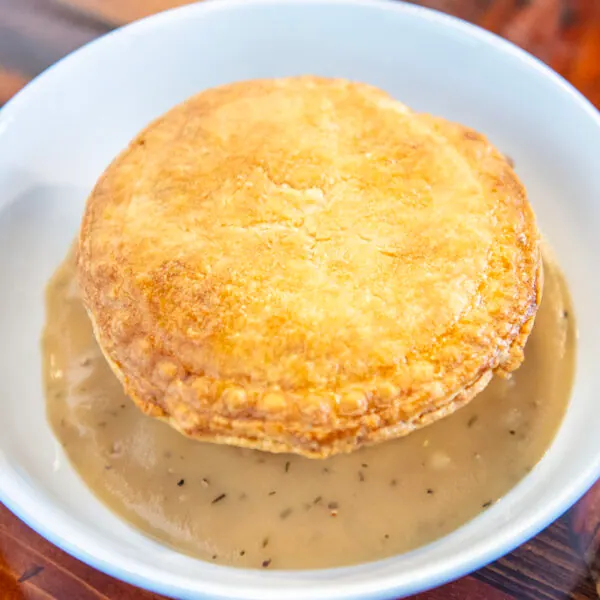
Every city has a few places that move beyond being businesses and become part of the local routine. They are where people take out-of-town family, where regulars feel known, and where a quick stop for coffee or dessert somehow turns into a familiar ritual. In Colorado Springs, pie shops and cafes carry a particular kind of emotional weight. They sit at the crossroads of comfort food, hospitality, and neighborhood life. That is the space where pie cafe colorado springs appears to have found its footing.
A beloved local spot is rarely built on one thing alone. It is not just the food, not just the decor, and not just a lucky location. It comes from repetition done well. It comes from trust. People need to feel that if they stop in on a gray weekday afternoon or after a long Saturday errand run, the experience will be reliably good. For a cafe centered on pie, that standard is even higher. Pie is nostalgic food. It carries memory with it. If a business is going to make pie the heart of its identity, it has to meet both the practical expectation of quality and the emotional expectation of comfort.
That helps explain why a place like Pie https://www.google.com/maps?cid=443012866958988631 Cafe can become more than a stop for dessert. When it earns local affection, it is because it is satisfying several needs at once. It offers sweetness, yes, but it also gives people a place to pause, gather, and feel rooted in the city they live in.
The appeal starts with a familiar idea done seriously
Pie sounds simple until you try to make it consistently well. A good pie shop has to master a surprising number of variables. Crust alone can make or break the experience. Too tough, and the whole slice feels heavy. Too delicate, and it collapses before the fork reaches the plate. Fillings are equally unforgiving. Fruit pies need balance, not just sugar. Cream pies need structure without becoming stiff. Savory pies, if a cafe offers them, demand entirely different instincts around seasoning and texture.
That is one reason pie-focused cafes stand out when they succeed. Customers notice when a business treats a humble category with respect. In many towns, pie is something people associate with holidays, family kitchens, or old-school diners. A cafe that puts pie at the center of its menu is making a statement. It is saying this is not an afterthought. This is the craft.
In a market like Colorado Springs, that matters. The city has enough variety that residents are not forced to settle. They can choose between chains, bakeries, brunch places, and coffee shops. For pie cafe colorado springs to become a favorite, it likely had to do more than offer a novelty. It needed to turn a familiar comfort food into something people genuinely craved on an ordinary day.
That shift, from occasional treat to regular destination, is where loyalty begins.
Local love usually grows from consistency, not flash
A first visit can win someone’s attention. A tenth visit is what wins their trust.
People often underestimate how much consistency shapes local reputation. A neighborhood cafe does not need to wow customers with a grand production every time. What it does need is a strong floor. The coffee has to be solid. The pastry case has to look cared for. The pie slices have to feel fresh, not like leftovers lingering a day too long. Service has to land in that ideal middle ground where staff are warm and efficient without sounding rehearsed.
When locals describe a place they love, they often use ordinary language. They say things like, “It’s always good,” or, “They’re just nice in there,” or, “I know what I’m getting.” Those phrases might sound modest, but in hospitality they are powerful. They reflect operational discipline. Behind every “always good” is a business making dozens of small decisions correctly, day after day.
That is especially true for a cafe. Cafes live or die on repeat business. Rent, labor, ingredient costs, and daily unpredictability do not leave much room for weak regular traffic. If Pie Cafe has become well regarded in Colorado Springs, consistency almost certainly played a central role. A place earns its local following one ordinary Tuesday at a time.
Pie works because it invites people to linger
Some foods encourage speed. Pie tends to do the opposite.
A sandwich shop can thrive on turnover. A pie cafe usually benefits when people settle in. They meet a friend. They split a slice. They order coffee and decide they are not in a hurry after all. That slower rhythm matters. It changes a business from a transaction point into a social setting.
Colorado Springs has its own pace. It is a city with military families, long-time residents, young professionals, hikers, retirees, and tourists all circulating through the same commercial corridors. A cafe that appeals across those groups has an advantage, but only if it feels accessible rather than overly curated. Pie helps with that. It is democratic food. A teenager can love it for one reason, a grandparent for another, and a busy parent for an entirely different one.
That broad appeal is not automatic, though. Plenty of shops sell sweets. What separates a beloved local cafe is that people feel comfortable staying. Seating matters. Noise levels matter. Staff demeanor matters. Even how a pie is plated matters more than most owners realize. A slice dropped carelessly on a plate tells a customer the shop is moving them through. A thoughtfully served slice, whether simple or polished, suggests the cafe values the moment.
That kind of atmosphere often becomes self-reinforcing. Once a place is known as a good spot to catch up, decompress, or treat visiting family, its role expands. It is no longer competing only on food. It is competing on memory.
The menu probably matters more than outsiders assume
The strongest local cafes understand that signature items bring people in, but range keeps them coming back. A pie-centered business has to navigate a subtle challenge. Lean too narrowly into dessert, and it risks becoming an occasional stop. Stretch too broadly, and the identity gets muddy.
The sweet spot is a menu that honors the core product while giving customers enough flexibility to fit different moods and schedules. That can mean serving pie by the slice rather than only whole pies. It can mean pairing desserts with coffee and tea that hold their own. It can mean offering quiche, breakfast options, light lunch items, or seasonal specialties if those fit the business model. It can also mean understanding that not everyone wants a large, rich dessert in the middle of the day.
This is where judgment matters. The best cafes know when to add variety and when to stop. Customers notice when a menu feels focused. They also notice when a kitchen is trying to do too much. Beloved local spots usually make a few categories feel dependable rather than make a dozen categories feel average.
If pie cafe colorado springs earned its reputation thoughtfully, then its menu likely found that balance. People may come in for the pie, but they return because the experience fits real life. One person wants a full dessert after lunch. Another wants a cup of coffee and something small. Another needs a whole pie for a family gathering and wants confidence that it will travel well and please a mixed crowd. A useful menu supports all of those situations without losing its center.
Hospitality is often the real product
Food businesses sometimes talk as if product quality is everything. It is not. Product quality gets people interested. Hospitality is what gets them attached.
That is particularly true in local cafes, where the staff become part of the brand in a direct, human way. If an employee remembers a regular’s order, offers a sample when someone is undecided, or handles a busy rush without making people feel like a burden, those moments travel. They come up in neighborhood conversations. They show up in casual recommendations. They shape whether someone says, “You should go there,” or simply, “I’ve been there.”
The strongest service does not feel theatrical. It feels attentive and relaxed. There is a difference between friendliness and performance, and customers can tell. Genuine hospitality is practical. It answers questions clearly. It moves the line along without rushing. It solves small problems before they become complaints. It treats the person buying one cookie with the same respect as the person ordering multiple pies for a holiday weekend.
In a city where many residents value community and familiarity, that tone goes a long way. People do not need a neighborhood cafe to be luxurious. They need it to be welcoming, capable, and human. If Pie Cafe is widely appreciated, there is a strong chance the service culture helped create that affection.
Colorado Springs rewards places that feel rooted
Not every successful food business becomes local shorthand. To reach that level, a place usually needs some connection to the rhythms of the city around it.
Colorado Springs has a blend of transience and rootedness that makes local identity interesting. Some residents arrive for a few years and move on. Others have family ties stretching back decades. A beloved cafe can serve both groups if it gives newcomers a soft landing and longtime residents a sense of continuity. That often means leaning into warmth rather than trend-chasing.
A pie cafe is well positioned for that role because it signals comfort before a customer even walks in. The category itself does some of the emotional work. But the shop still has to earn the trust behind that feeling. It has to show that it understands its community, whether through seasonal offerings, holiday demand planning, approachable pricing, or simply by staying steady while the city changes around it.
Pricing, in fact, is part of this story. Cafes walk a difficult line. Ingredient costs rise, labor is expensive, and scratch baking takes time. Yet local affection can fade fast if customers begin to feel a place is charging aspirational prices for familiar food. The businesses that stay loved are usually the ones that make customers feel the value is fair. That does not mean cheap. It means defensible. A generous slice, quality ingredients, and a pleasant hour in a comfortable setting can justify a lot when people feel respected rather than squeezed.
Word of mouth is still stronger than marketing in this category
Dessert businesses photograph well, but photogenic food alone does not create staying power. Pie is not built for gimmicks. It is built for recommendation.
When a local spot becomes a favorite, the most meaningful growth usually comes from person-to-person endorsement. Someone brings a pie to a gathering and three people ask where it came from. A coworker picks up slices for the office. A family adopts the shop for birthdays or post-game treats. Those patterns matter more than a polished ad campaign because they insert the cafe into everyday life.
That kind of reputation spreads slowly at first and then, sometimes, all at once. One month a place is known mainly to nearby regulars. A year later it is where people tell visitors to go for something distinctly local and comforting. The key is that the recommendation feels low risk. Nobody wants to send a friend somewhere inconsistent. Beloved neighborhood places benefit from the opposite. People recommend them confidently because the odds of a good experience feel high.
For pie cafe colorado springs, that word-of-mouth effect may be one of the clearest explanations for how it became cherished. In food service, steady praise from ordinary customers is often the truest sign that a business has crossed from liked to relied upon.
Small operational choices shape the reputation
What customers call charm is often good operations in disguise.
A clean pastry case suggests freshness and discipline. A sensible system for pre-orders reduces holiday chaos. Staff who can describe pies accurately help hesitant buyers commit. Timely restocking prevents the room from feeling picked over. None of these details are glamorous. All of them influence whether a visit feels smooth or slightly disappointing.
Holiday periods are an especially revealing test for pie shops. Demand spikes sharply around Thanksgiving, Christmas, and other family-heavy occasions. A place that handles those periods well gains enormous goodwill. A place that overpromises and stumbles can lose trust quickly. Managing volume in a pie-centered business requires experience, restraint, and honest communication. Sometimes the smartest move is limiting orders rather than taking every possible sale. Customers may not love hearing “sold out” or “cutoff reached,” but they respect a business that protects quality.
Daily rhythm matters too. A cafe has to think about morning traffic, midday lull, after-school visits, and weekend surges. Pies and other baked goods also have shelf life considerations that are less forgiving than many customers realize. If a cafe is loved over the long term, it is often because it learned how to align production with real traffic patterns instead of chasing idealized demand.
Those are not romantic details, but they are often the hidden architecture of local affection.
Beloved places usually serve more than one kind of customer well
One common mistake in food business strategy is building around a single ideal customer. Neighborhood cafes that last tend to be more versatile.
A pie-focused cafe may attract retirees meeting friends in the morning, parents grabbing a treat with their kids in the afternoon, and young professionals looking for a low-pressure meeting spot later in the day. Tourists might come for a sense of local flavor. Residents might rely on it for birthdays, office gatherings, or holiday desserts. A truly beloved spot manages to feel coherent to all of them.
That does not mean trying to please everyone with everything. It means understanding overlapping use cases. The same person might visit for three different reasons over the course of a year. They might come in for a solo coffee, return later for slices after lunch with a friend, and eventually order a whole pie for a family event. When a business supports that natural progression, it deepens the relationship.
This is where atmosphere, menu design, and service connect. A shop that is too precious can discourage families. One that is too rushed can lose people who want to linger. One that is overly broad can lose its identity. The best local cafes find a center that feels stable, then let different customers meet that center in their own way.
The emotional value of pie should not be underestimated
There is a reason pie shops occupy a different emotional lane than many other dessert businesses. Pie carries more than flavor. It carries associations with home, celebration, generosity, and care. Even people who are not especially sentimental about food often soften around pie. It feels less performative than a trendy dessert and more rooted than a grab-and-go pastry.
For a cafe, that emotional resonance is a real advantage, but also a responsibility. Customers bring expectations into the room before they taste a bite. They want comfort without sloppiness, tradition without staleness, and quality without pretension. If a place delivers that balance, the reward can be deep loyalty.
That helps explain why pie cafe colorado springs could become a beloved local spot in a way that extends beyond menu appeal. It likely tapped into something residents wanted from a neighborhood business: steadiness, warmth, and food that feels generous rather than merely decorative.
Cities remember places that help mark life’s smaller moments. Not every memorable meal happens on an anniversary or vacation. Sometimes it is a weekday coffee after school drop-off. Sometimes it is buying dessert because friends are coming over. Sometimes it is taking a parent somewhere that feels easy, familiar, and satisfying. The businesses that become local institutions are often the ones that serve those modest moments best.
Why the affection lasts
Local affection can be surprisingly fragile. A place gets busy, service slips, prices climb too fast, quality drifts, and the tone changes. Customers do not always announce their disappointment. They simply go elsewhere. That is why staying beloved is harder than becoming popular.
For any cafe, especially one built around handcrafted baked goods, durability depends on protecting the basics. Quality has to remain visible. Staff have to be supported enough to stay patient and capable. The room has to feel cared for. The business has to know what not to change as much as what to improve.
When people keep coming back to a place over years, they are not just buying pie. They are renewing a small trust. They are saying this place still fits into my life. That is the quiet achievement behind every neighborhood favorite.
If Pie Cafe in Colorado Springs has earned that kind of standing, it likely did so the old-fashioned way. By serving food people genuinely wanted, by making them feel welcome, by staying consistent when consistency is difficult, and by becoming useful in the everyday sense that matters most. That is how local spots become beloved. Not through hype, but through habit, care, and the kind of reliability people are always happy to recommend.
3.14 Pi Bar
5152 Centennial Blvd
Colorado Springs, CO 80919
(719) 314-6172
FAQ About pie cafe colorado springs
Does 3.14 Pi Bar serve sweet and savory pies?
Yes. The café serves savory pot pies and seasonal sweet pies made from scratch. Flavors can vary.
Can I order a whole pie to take home?
Yes. The café sells whole sweet pies to take home. Check the current menu for flavors and ordering options.
Does 3.14 Pi Bar offer take-and-bake pies?
Yes. The café offers prepared pies that you can bake at home. Check the current menu for available varieties.
❧